Cape Reinga
Sacred Māori departure point for spirits and popular tourist destination.

via Wikipedia: Headland · see source
- location
- North Island, New Zealand
- coordinates
- Northwestern tip of Aupōuri Peninsula
- elevation
- Not specified
Lore & Background
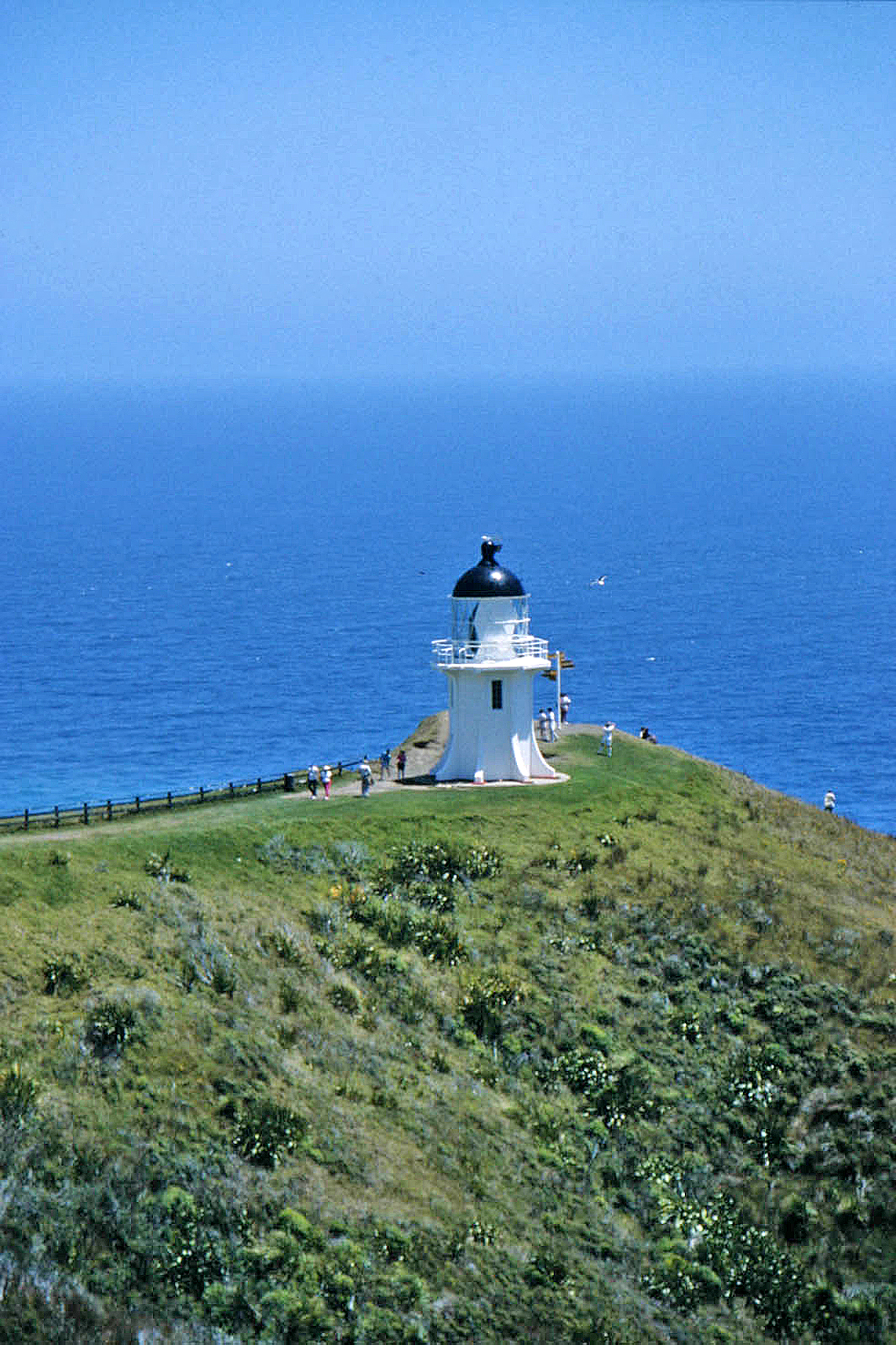
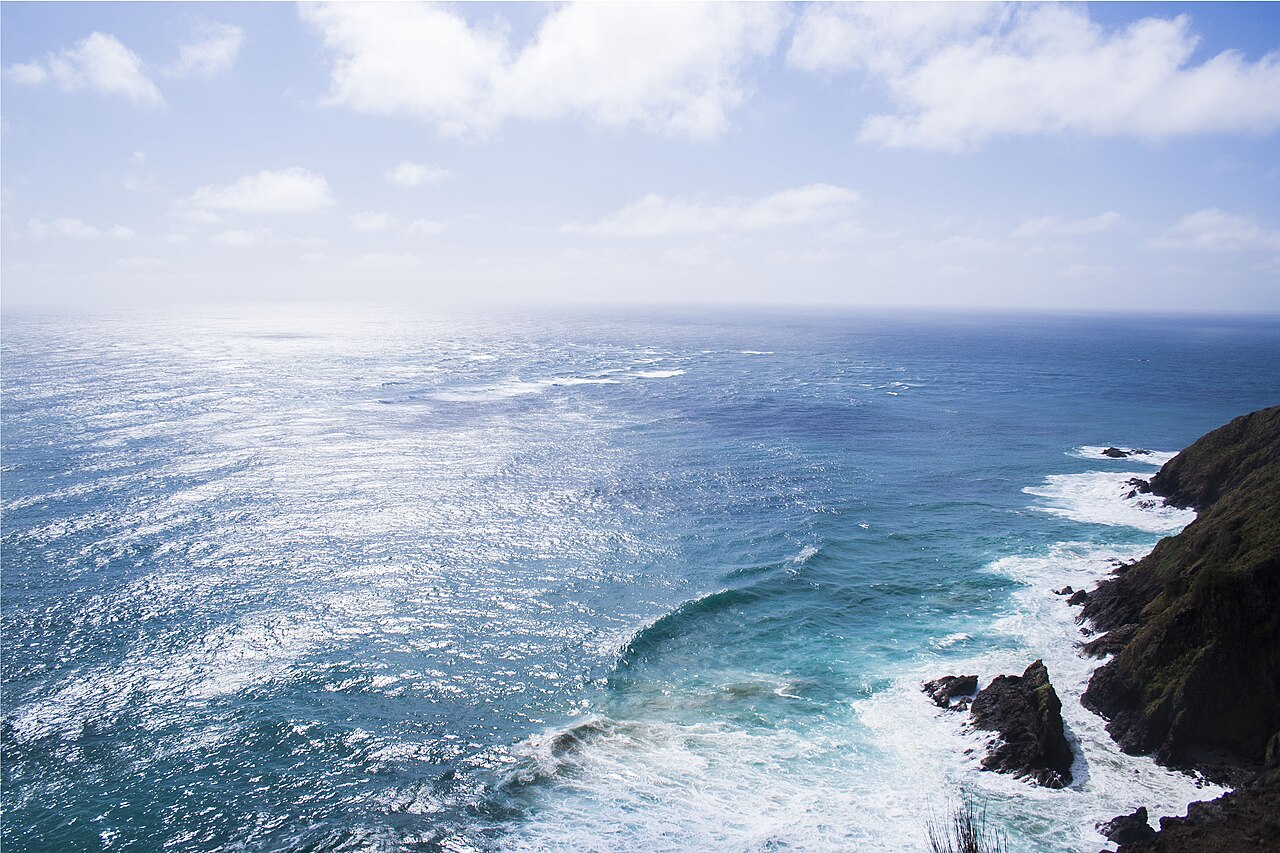
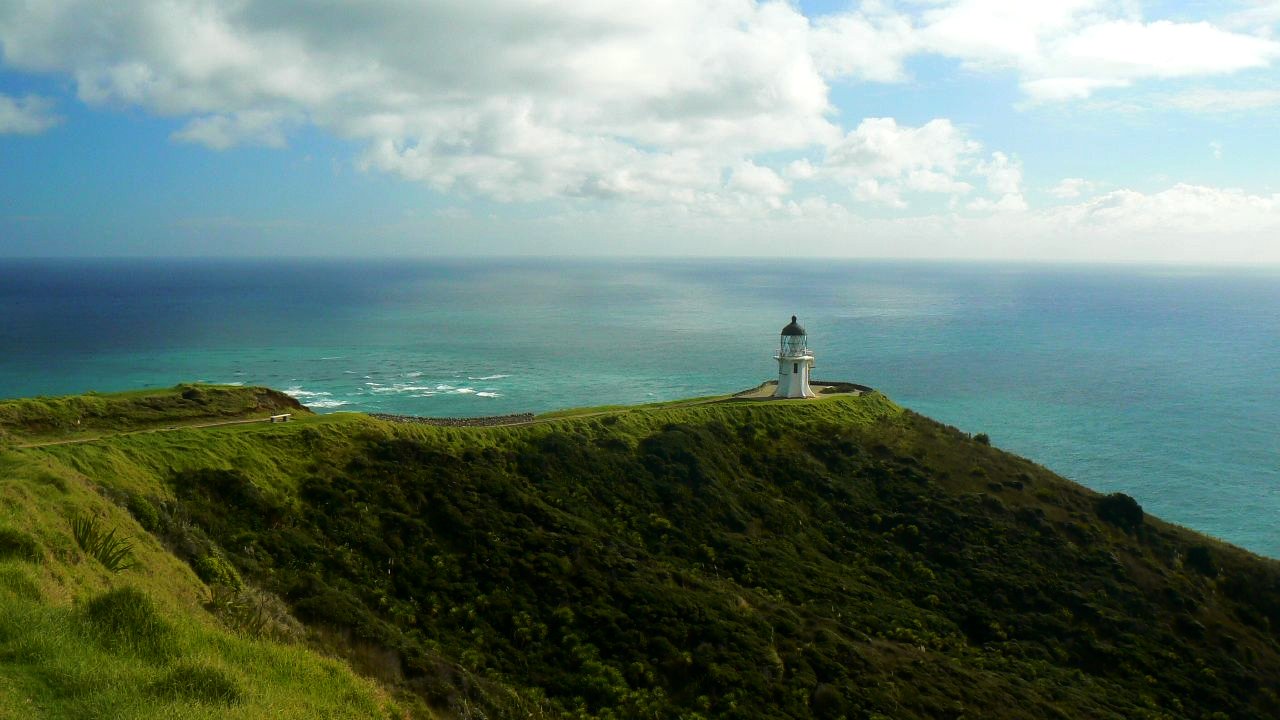
In Māori tradition, Cape Reinga is the leaping-off place of spirits. A spring called Te Waiora-a-Tāne (the 'Living waters of Tāne') was used in ceremonial burials for spiritual cleansing, but after the local population mostly converted to Christianity, the spring was capped with a reservoir, then disappeared and reappeared at the bottom of the cliff. From the lighthouse, visitors can watch the tidal race where the two seas clash, known in Māori as the meeting of Te Moana-a-Rehua and Te Tai-o-Whitirea.
Reader's Guide
Cape Reinga holds dual significance as a sacred Māori site and a major tourist attraction. Its cultural importance stems from the belief that spirits of the dead depart here for the underworld, a tradition reflected in its name and mythology. The spring Te Waiora-a-Tāne played a role in burial rites across New Zealand until Christian conversion led to its capping and subsequent disappearance. The cape also serves as the northern terminus of the Te Araroa hiking trail.
Did You Know?
- Cape Reinga is often mistakenly thought to be the northernmost point of New Zealand, but the Surville Cliffs at North Cape are 3 km further north.
- A spring called Te Waiora-a-Tāne was used in Māori ceremonial burials but disappeared after being capped with a reservoir, reappearing at the bottom of the cliff.
Defining the Landform
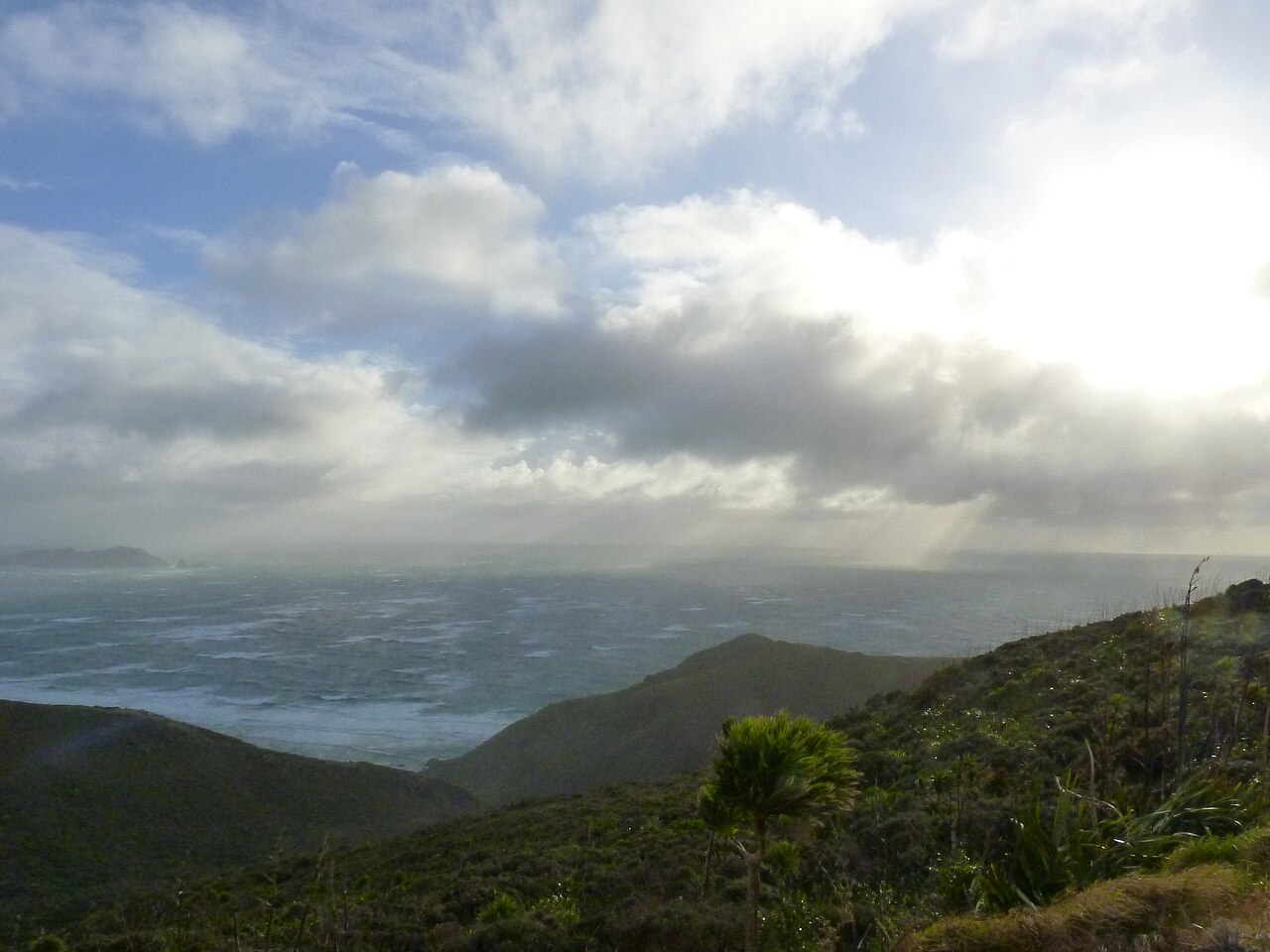
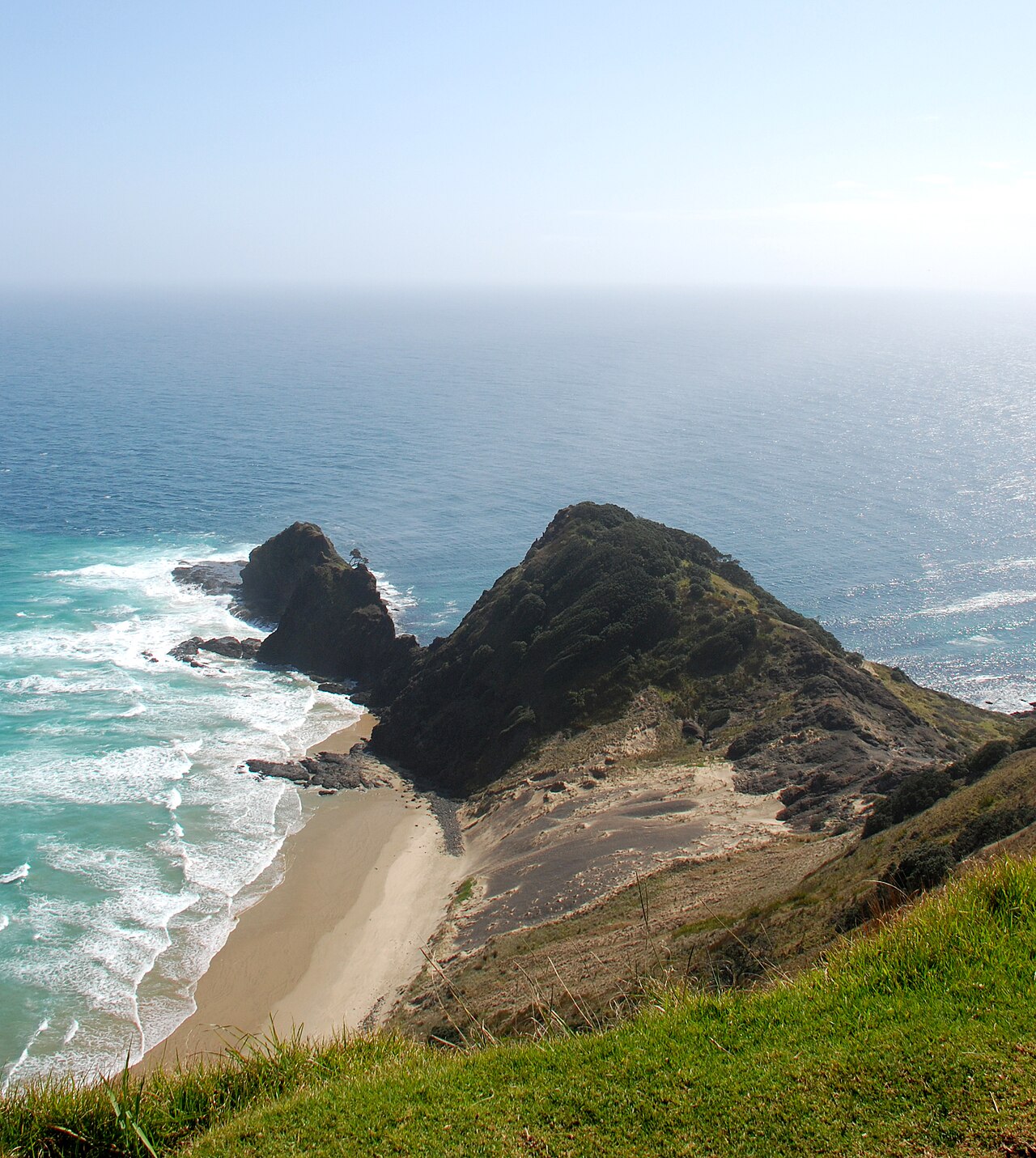
Cape Reinga is classified as a headland — a coastal landform where a point of land, typically elevated and often featuring a sheer drop, extends outward into a body of water. As a type of promontory, it sits at the more prominent end of the coastal landform spectrum; when such a feature reaches considerable size, it earns the designation of a cape, which is precisely the label applied here. The defining physical traits of headlands like this one include high, breaking waves crashing against rocky shores, intense ongoing erosion, and steep sea cliffs that drop dramatically toward the water. These characteristics make headlands among the most visually striking and geologically active features along any coastline, where the relentless force of the sea meets resistant rock in a constant battle of attrition.
The Erosion Engine
The formation of a headland such as Cape Reinga is rooted in the geology of discordant coastlines, where bands of rock with varying degrees of resistance run perpendicular to the shore. Over vast stretches of time, the sea preferentially attacks the weaker strata — sands and clays that yield relatively easily — while the more resistant layers, composed of materials like chalk, limestone, or granite, survive the assault and project outward as prominent points of land. This differential erosion is what sculpts the headland from the surrounding coastline. The result is a feature flanked by water on three sides, in contrast to a bay, which is enclosed by land on three sides. The headland and its adjacent bay are, in essence, two halves of the same geological story, born from the same alternating rock bands and shaped by the same relentless hydraulic force.
A Cyclical Coastal Story
The lifecycle of a headland is not static but part of a long, repeating coastal rhythm. As the sea gnaws at the headland's cliffs, sediment is deposited within the neighboring bay, gradually filling it in. Simultaneously, the headland itself is worn back, its sheer cliffs retreating and its rocky shores reshaped by the high, breaking waves that define these features. Eventually, the coastline straightens out as the bay fills and the headland diminishes, after which the same erosional process begins anew elsewhere along the shore. This cyclical pattern of creation, erosion, and renewal means that a headland like Cape Reinga is never truly finished; it is perpetually being remade by the interplay of resistant rock, weak strata, and the ceaseless motion of the sea.
Among New Zealand's Promontories
Cape Reinga occupies a place within a broader family of notable headlands that dot the New Zealand coastline. It is listed alongside Cape Egmont, Cape Foulwind, East Cape, North Cape, and Young Nick's Head — a collection of prominent coastal points that together illustrate the diversity of headland forms found across the country. Each of these features shares the fundamental headland character: a point of land extending into water, typically elevated, often with a sheer drop, and subject to the high breaking waves, rocky shores, and intense erosion that define the category. Yet each presents its own particular expression of that template, shaped by the specific rock bands and coastal dynamics of its location. Cape Reinga's inclusion among these named sites underscores its recognition as a headland of considerable size — the threshold at which a promontory earns the more prestigious title of cape.
Gallery
Frequently Asked Questions
What is Cape Reinga?
Cape Reinga, also called Te Rerenga Wairua in Māori, is the northwesternmost point of the Aupōuri Peninsula. It sits at the very top of New Zealand's North Island and is recognized as one of the country's most iconic cape landforms.
What is Cape Reinga's spiritual significance to Māori?
In Māori tradition, the cape is believed to be the place where the spirits of the deceased leave the physical world and depart toward the afterlife. This belief makes it a deeply sacred site for Māori communities.
How popular is Cape Reinga as a tourist destination?
The cape draws well over half a million visitors every year, making it one of New Zealand's most heavily visited natural landmarks. Its dual identity as a dramatic scenic headland and a culturally significant site keeps it at the top of travelers' itineraries.
More in Peninsulas And Cape Landforms 1-24
Related in Peninsulas And Cape Landforms
Links follow this subject's own source article.
Spotted an error? Know more?
This is a living reference — every entry is fact-audited, and reader corrections feed straight into our audit queue. Suggest an edit · See this site's audit record